
The Disconnect: When Client Promises Clash with Project Reality
As a Project Manager in the construction or manufacturing sector, you’ve lived this scenario: a high-stakes project is underway. The timeline is tight, the budget is tighter. Suddenly, a call comes in from the client requesting a ‘minor’ change. This change, however, contradicts the initial specifications approved by your sales team three months ago. The information never made it into the project brief. The on-site team has already fabricated the component. Now, you’re faced with a classic trilemma: absorb the cost of rework, delay the entire project, or have a difficult conversation with a valuable client. None of these options are good for business.
This is the costly symptom of a fundamental disease plaguing many project-based businesses: a deep, operational chasm between customer-facing activities and project execution. Your CRM holds the ‘why’—the client’s history, their expectations, and the contractual agreements. Your project management software holds the ‘how’—the tasks, timelines, and resources. When these two systems don’t speak the same language, your role as a Project Manager transforms from a strategic leader into a full-time firefighter.
The solution isn’t another spreadsheet or a new standalone app. The solution is to tear down the informational silo and build a bridge. This article will explore the strategic framework of CRM-driven project management, a methodology that transforms disconnected data points into a single source of truth, empowering you to deliver projects on time, on budget, and exactly to client specifications.
The High Cost of Information Silos
Before architecting a solution, we must first diagnose the structural weaknesses in conventional project workflows. The reliance on disparate systems—email for communication, spreadsheets for budgeting, a standalone PM tool for tasks, and a separate CRM for client data—creates multiple points of failure.
The Anatomy of a Disconnected Project
- Misaligned Expectations: The sales team, incentivized to close deals, might promise customizations or timelines without consulting the project team. This critical information often lives in their email threads or CRM notes, invisible to you until it’s too late.
- Uncontrolled Scope Creep: When change orders are managed via email or phone calls, they lack a formal approval workflow. This leads to ‘scope creep’—the silent killer of project profitability—where undocumented changes slowly bloat the project’s cost and timeline.
- Budget Leakage and Inaccurate Forecasting: Without a real-time link between project expenses (labor, materials) and the original client contract stored in the CRM, it’s nearly impossible to track budget burn accurately. You’re often looking at financial data that is weeks out of date, making proactive cost control impossible.
- Delayed Timelines: How much time is wasted chasing information? Your team might be waiting for a specification clarification from the client, while the account manager is waiting for an update from your team. This communication lag, a direct result of siloed systems, causes cascading delays across the entire project plan.
A project’s profitability is determined not just by execution, but by the integrity of the information it’s built upon. When data is fragmented, the foundation is weak, and financial cracks are inevitable.

The Blueprint for CRM-Driven Project Management
Integrating your CRM and project management functions isn’t just about technology; it’s a strategic shift towards operational transparency and accountability. It’s built on a few core principles that directly address the pain points of a disconnected workflow.
Principle 1: The Single Source of Truth (SSoT)
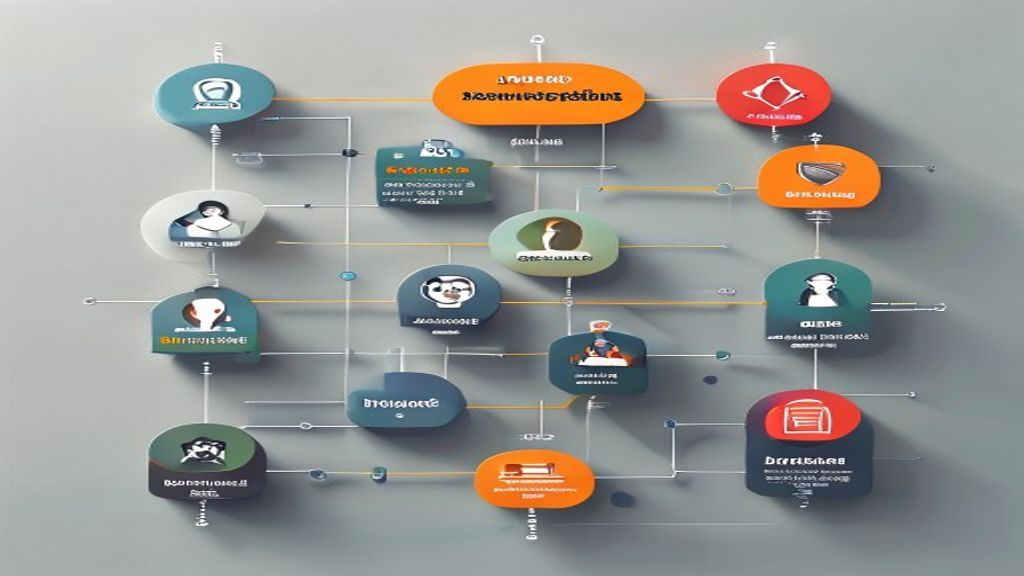
The foundation of this approach is establishing the CRM as the central hub for all project-related information. This doesn’t mean your Gantt chart lives in a CRM field. It means the project entity itself is intrinsically linked to the client’s record. Every contract, every specification document, every change request, every email, and every meeting note is attached to one unified record. When a site foreman needs to verify a material specification, they aren’t searching through a shared drive; they’re accessing the definitive document attached to the project file, which is the same one the sales team used to close the deal.
Principle 2: From ‘Deal Won’ to ‘Project Kick-off’ in One Click
Imagine this workflow: your sales team marks a deal as ‘Won’ in the CRM. Instantly and automatically, a new project is created in the system. This new project workspace is pre-populated with all the critical information from the sales process:
- Client contact information and key stakeholders.
- The approved budget and billing terms.
- All relevant documents (contracts, blueprints, SOWs).
- A project template with standard initial tasks is assigned to you, the Project Manager.
This single automated action eliminates the most dangerous part of any project lifecycle: the manual handoff. It eradicates data entry errors, ensures no details are lost in translation, and reduces the time from contract signature to project start from days to mere minutes.
Principle 3: Real-Time Visibility for All Stakeholders
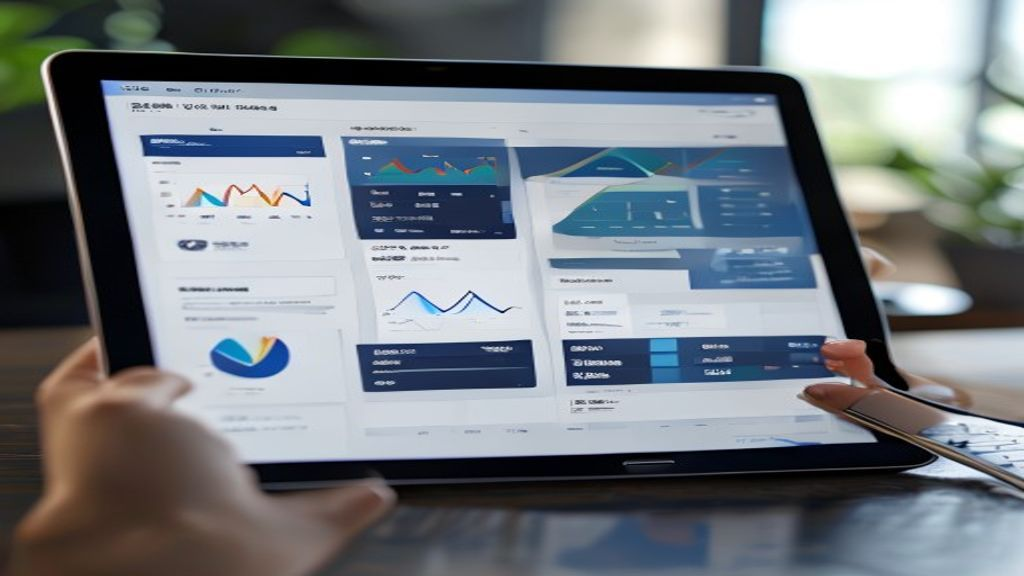
A unified platform provides tailored visibility for everyone involved. You, the PM, get a master dashboard showing the health of all your projects. Your executive team gets a high-level view of portfolio profitability and resource allocation. Crucially, your clients can be given access to a secure portal where they can see progress updates, approve change orders, and access key documents. This transparency doesn’t just improve communication; it builds trust and holds all parties accountable, drastically reducing disputes and misunderstandings.
Tangible ROI: Quantifying the Impact in Your Industry
Adopting a CRM-driven methodology delivers measurable returns by converting operational efficiency into financial performance. For industries like construction and manufacturing, where margins are tight and projects are complex, the impact is profound.
Taming Scope Creep and Controlling Budget Leakage
With an integrated system, every change request follows a digital, auditable path. A client submits a request through the portal. The system automatically notifies you to assess the impact on budget and timeline. The updated quote is sent for digital approval. Only upon approval are the new tasks added to the project plan. This workflow transforms scope creep from an uncontrolled risk into a managed (and often billable) process. You can track every dollar spent against the approved budget in real-time, receiving automated alerts if a project’s burn rate exceeds its forecast.
True project control isn’t about preventing changes; it’s about ensuring no change goes undocumented, unapproved, and unbilled.
Boosting Operational Efficiency and Reducing Rework
Think of the cumulative time saved. Your team isn’t searching for the latest version of a blueprint. You aren’t manually compiling weekly progress reports for stakeholders; the system generates them automatically. By ensuring that everyone from the factory floor to the construction site is working from the same, up-to-the-minute information, the incidence of costly rework due to miscommunication plummets. We consistently see project managers reclaim 5-10 hours per week, time they can reinvest in strategic risk management and client relations instead of administrative firefighting.
The Toco Solution Approach: Unifying Your Operations
Understanding these principles is the first step. Implementing them requires a partner who understands not just the technology, but the specific operational realities of your industry. This is where Toco Solution bridges the gap. We don’t just sell software; we architect integrated business systems that serve as the central nervous system for your entire operation.
Beyond Software: A Partnership in Transformation
Our approach centers on implementing and customizing powerful all-in-one platforms like Bitrix24, which inherently combine CRM, project management, communication, and document management. However, the tool is only part of the equation. Our expertise lies in analyzing your existing workflows—from sales quotation to project invoicing—and re-engineering them to eliminate bottlenecks and information silos. Because we specialize in the Manufacturing and Construction sectors, we bring a deep understanding of your challenges, from supply chain coordination to on-site resource management.
Hypothetical Case Study: ‘PrimaBuild Construction’
A mid-sized commercial construction firm, ‘PrimaBuild,’ was grappling with consistent project overruns averaging 18% of their budget. Their project managers used a combination of spreadsheets, email, and a standalone PM tool, completely disconnected from the sales team’s CRM. This led to frequent disputes over change orders and client dissatisfaction with project delays.
Toco Solution implemented a unified Bitrix24 platform. We built an automation rule that instantly converted ‘Won’ deals into structured project workspaces. We configured a formal change order management process within the system and deployed a client portal for transparent progress tracking and approvals.
The results after one year were transformative:
- Budget overruns were reduced from 18% to under 4% by enforcing a strict, digitally-audited change order process.
- The on-time project completion rate increased by 30% by eliminating communication lags.
- Project managers reported saving an average of 8 hours per week on administrative tasks, allowing more time for on-site supervision.
- Improved client trust led to a 40% increase in repeat business from their key accounts.
Connecting client data to project execution is no longer a competitive advantage; it is a fundamental requirement for survival and growth in today’s market. By breaking down the walls between your teams and systems, you don’t just build better projects—you build a more resilient, profitable, and reputable business.
Ready to Connect Your Projects to Profitability?
If the challenges of disconnected data, scope creep, and budget leaks resonate with you, it’s time for a new blueprint. Let the experts at Toco Solution show you how a unified CRM and project management platform can be tailored to the unique demands of your business.
Contact our team for a no-obligation consultation and discover how to transform your project management from a reactive process into a strategic, data-driven engine for growth. Visit us at https://tocosolution.com to get started.