
The Anatomy of Operational Friction: Is Your Tech Stack Working For You, or Against You?
As an Operations Director, you are the architect of your company’s engine. Your mandate is clear: maximize efficiency, ensure quality, and drive profitability. You live by metrics, timelines, and the relentless pursuit of seamless execution. Yet, a silent saboteur often undermines even the most well-designed processes: operational friction. This isn’t a single, catastrophic event; it’s a thousand tiny cuts inflicted daily by a disconnected, fragmented technology stack.
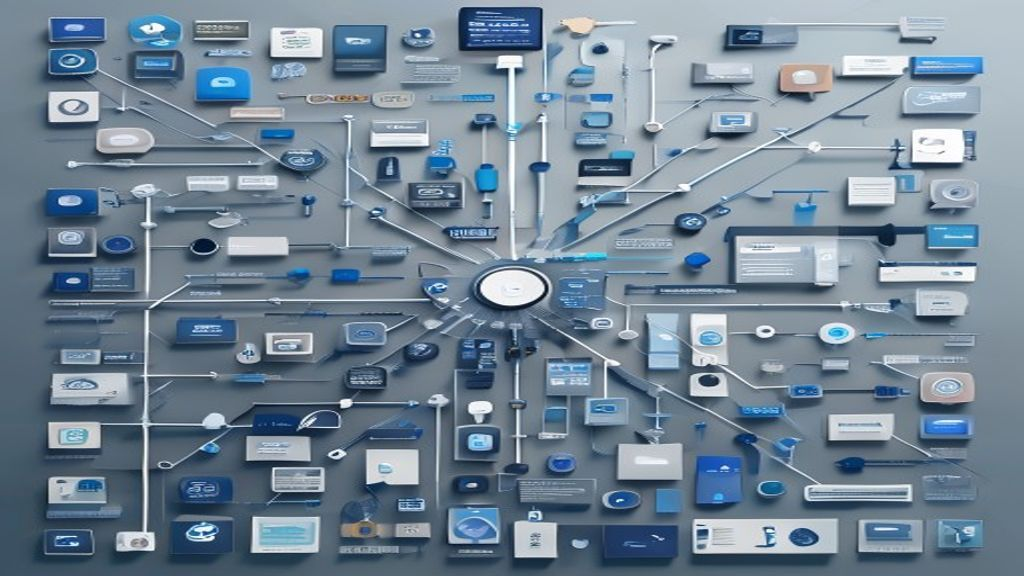
Your sales team closes a deal in the CRM. Your project manager creates a task list in a separate project tool. Your engineering team discusses specifications in a group chat. Your finance department tracks budgets in a spreadsheet. Each system is, in isolation, a best-in-class tool. But together, they form a digital Tower of Babel. Information is lost in translation, accountability becomes ambiguous, and your role transforms from strategic leader to digital archeologist, constantly digging for a single source of truth.
The “App Sprawl” Tax: Calculating the Hidden Costs of Disconnected Systems
The most visible cost of using multiple, specialized software-as-a-service (SaaS) platforms is financial. The per-user, per-month licensing fees for a chat app, a task manager, a CRM, and various other tools add up to a significant Opex line item. However, this is merely the tip of the iceberg. The true, more damaging cost is the productivity tax levied by “context switching.”
Research consistently shows that every time an employee toggles between applications, their cognitive load increases, and their focus fractures. A simple request to check a project status might require them to leave their email, open the task management tool, search for the project, then switch to the chat app to ask for a clarification. This multi-step process, repeated dozens of times a day across your entire organization, represents hundreds of lost man-hours per month—a direct, albeit hidden, drain on your operational budget.
The most expensive software is not the one with the highest license fee, but the one that forces your best people to perform low-value, repetitive administrative work just to stay aligned.
Communication Blind Spots: When Chat Exists in a Vacuum
Modern chat applications have revolutionized workplace communication, but they have also created a critical vulnerability. When a conversation about a specific client order, a project milestone, or a machine calibration happens in a general chat channel, it becomes ephemeral. It lacks context and is untethered from the actual work item it pertains to. Weeks later, when an issue arises, who remembers the details of that fleeting conversation? Finding it requires scrolling through endless streams of unrelated messages and GIFs.
This lack of contextual communication creates massive accountability gaps. Decisions are made, but not documented against the relevant task or project. For COOs in industries like Manufacturing or Construction, where audit trails and compliance are non-negotiable, this is an unacceptable operational risk.
The Unified Command Center: A Strategic Blueprint for Operational Excellence
The antidote to operational friction is not another app; it’s a philosophical shift in how you structure your digital workspace. The goal is to evolve from a collection of disparate tools into a single, Unified Command Center—a platform where work, communication, and scheduling coexist and enrich one another. This model is built on three foundational principles.
Principle 1: Context is King. The Power of In-Task Communication.
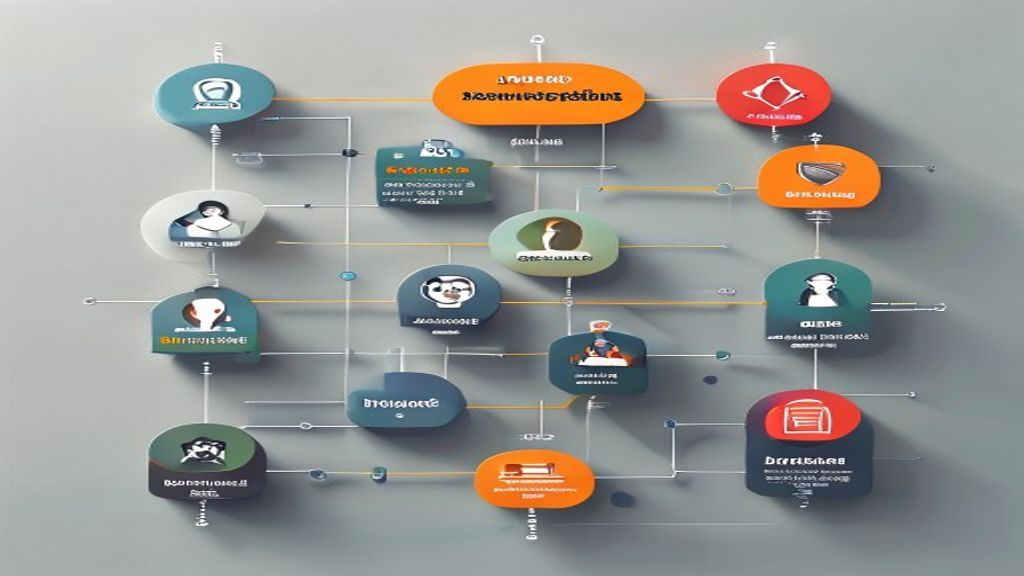
Imagine a world where every conversation about a task happens *inside* that task. When a production manager updates the status of a manufacturing order, their comment, along with any attached files or photos from the factory floor, is permanently logged within the order’s digital card. The salesperson who manages the client relationship is automatically notified. The logistics coordinator sees the update and can schedule shipping.
This isn’t a futuristic dream; it’s the core of contextual collaboration. It eliminates the “he said, she said” ambiguity. It creates a self-generating audit trail for every single work item, providing you, the COO, with unparalleled transparency and a tool for immediate, data-backed course correction.
Principle 2: From ‘To-Do’ to ‘Done’. Integrating Tasks with the Entire Value Chain.
A standalone task list provides a myopic view of progress. In a unified system, tasks are not independent entities; they are integral components of a larger value chain. A “Task” to ‘Source Raw Materials’ should be directly linked to the ‘Client Project’ in your CRM and the ‘Purchase Order’ in your financial module.
When tasks are intrinsically linked to projects, clients, and deadlines, you gain end-to-end visibility. You can see how a delay in one small task will impact the final delivery date. You can identify bottlenecks in your workflow before they become critical failures. This elevates task management from a simple checklist to a powerful tool for strategic resource planning and risk mitigation.
Principle 3: Resource Orchestration. The Centralized Calendar as a Strategic Asset.
Your most valuable assets are your people’s time and your equipment’s availability. A disconnected set of calendars—one for meetings, another for project deadlines, and spreadsheets for shift schedules—makes effective resource orchestration impossible. Double-bookings, over-allocation of key personnel, and expensive machine downtime are the inevitable results.
A centralized, integrated calendar provides a single source of truth for all time-based commitments. It overlays employee availability, project milestones, task due dates, and even equipment maintenance schedules. This allows you to not only see who is busy, but to strategically allocate the *right* resources to the *right* tasks at the *right* time, maximizing utilization and preventing burnout.
Case Study: How a Construction Firm Eliminated 90% of Rework Costs
Consider “TerraBuild Construction,” a mid-sized firm specializing in commercial projects. Their COO faced a recurring nightmare: costly rework due to miscommunication between the architectural team in the office, the project manager, and the subcontractors on-site. The architects would issue revised blueprints via email, the project manager would track progress on a separate software, and the on-site foreman relied on phone calls and printouts. This fragmentation led to a critical error where a foundation was poured based on an outdated plan, costing the company tens of thousands of dollars and weeks of delay.
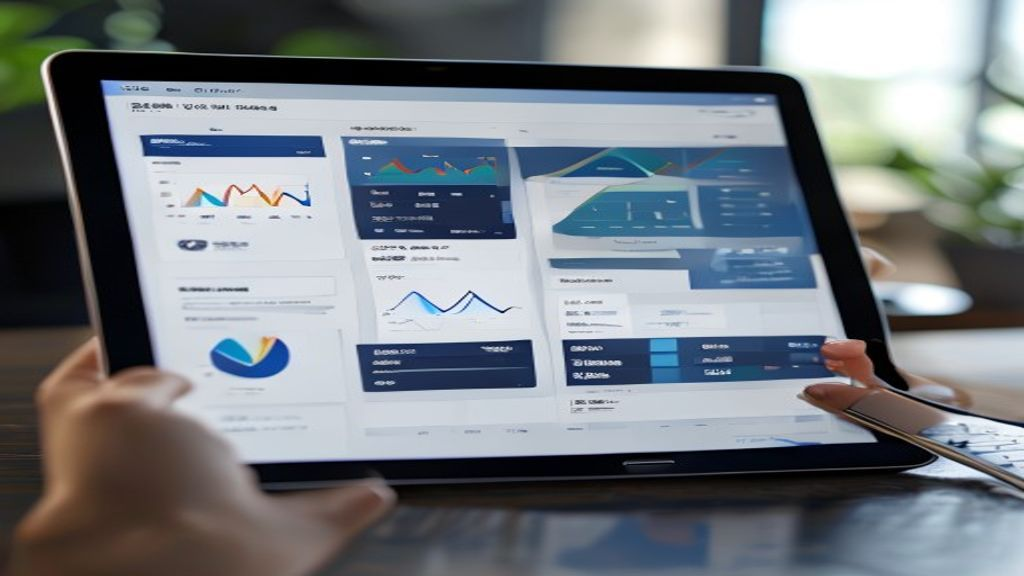
By implementing a unified platform, TerraBuild transformed its workflow. Now, the master blueprint lives within a central ‘Project’ entity. Any revision by the architect automatically triggers a task notification to the project manager and the on-site foreman’s tablet. All discussions, photos from the site confirming measurements, and sign-offs happen as comments *within* that specific task. The system created an immutable record, ensuring everyone was always working from the latest version. The result? Rework costs plummeted, project timelines became more predictable, and the COO gained a real-time dashboard to monitor every site’s progress without leaving the office.
The Toco Solution Approach: Architecting Your Operational Hub with Bitrix24
The Unified Command Center is not a theoretical concept; it is the fundamental design principle behind platforms like Bitrix24. We at Toco Solution have seen firsthand how this all-in-one approach fundamentally resolves the core pain points of an Operations Director.
Bitrix24 isn’t just a CRM. It is a comprehensive business ecosystem where contextual chat, powerful task and project management, and centralized calendars are not bolted on as afterthoughts—they are woven into the very fabric of the platform. When your sales team converts a lead in the CRM, it can automatically trigger a templated project with pre-assigned tasks and deadlines, all visible on a shared company calendar. Every conversation, file, and decision is captured and linked to the relevant client or project, creating the single source of truth you’ve been searching for.
Our role at Toco Solution goes beyond simply providing software. As IT consultants specializing in the Manufacturing, Construction, and Retail sectors, we understand that your operational workflows are unique. We don’t offer a one-size-fits-all solution. Instead, we act as your strategic partners, mapping your existing processes and then customizing and automating Bitrix24 to build an operational hub that is perfectly tailored to your business needs. We eliminate the friction, automate the mundane, and provide you with the control and visibility required to drive your company forward.
Ready to Eliminate Operational Friction?
Stop paying the hidden tax of disconnected tools. Let’s discuss how a unified operational platform can provide the control, visibility, and efficiency your role demands. Schedule a complimentary, no-obligation strategy session with a Toco Solution consultant today.